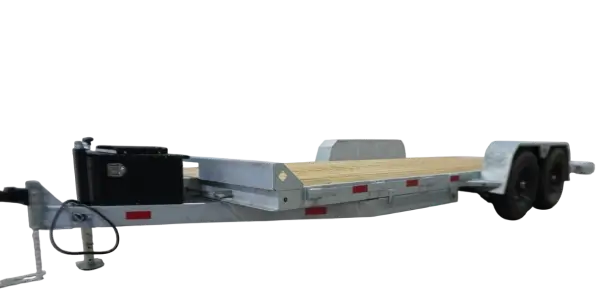
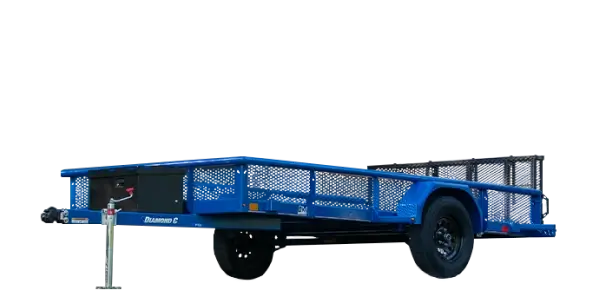
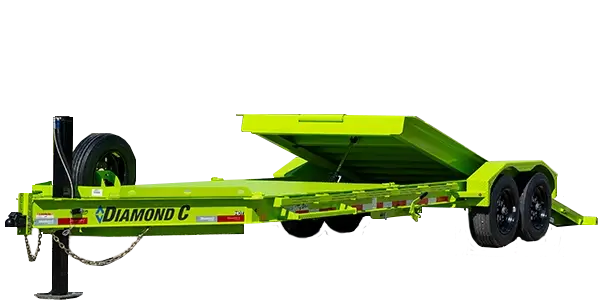
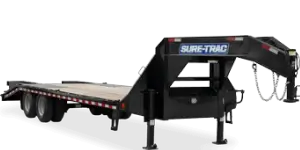











Four brands, three lengths, one weight class
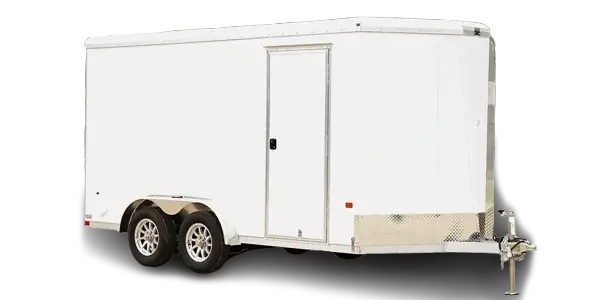
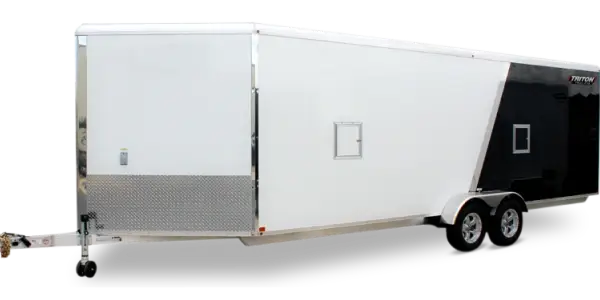
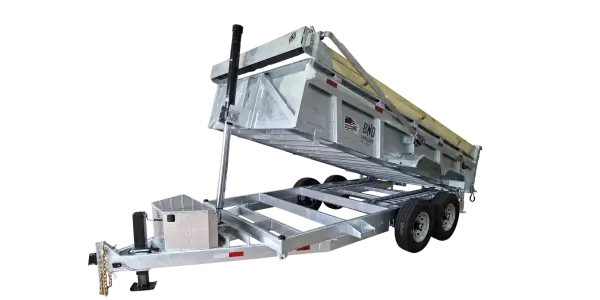
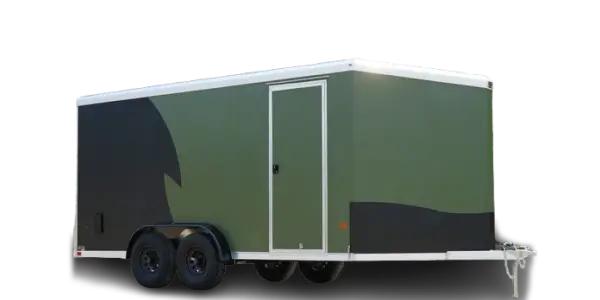
The car haulers on the ground in Holland come from several different builders and land in a narrow band on paper, almost all of them at 9,990 pounds gross, while being very different trailers to live with. There are open steel decks, a long enclosed steel box and an aluminum enclosed model, spread across twenty, twenty four and twenty eight feet. The current lineup is below, and the guidance underneath is about choosing between them.


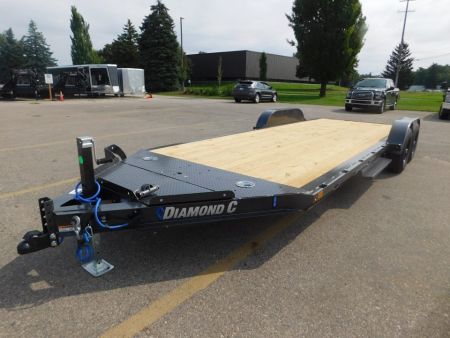
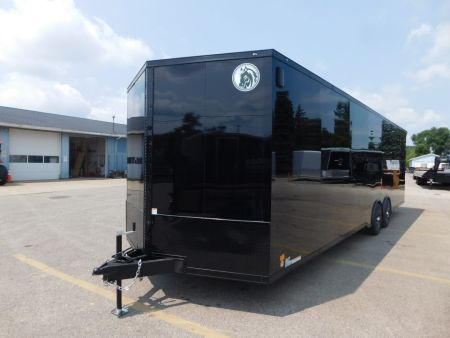
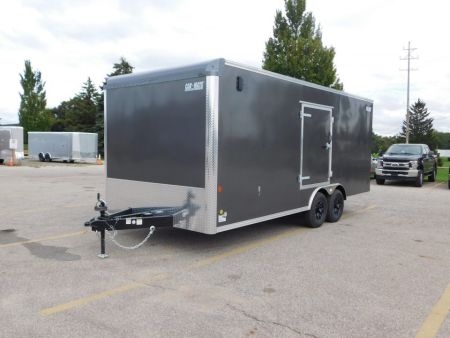
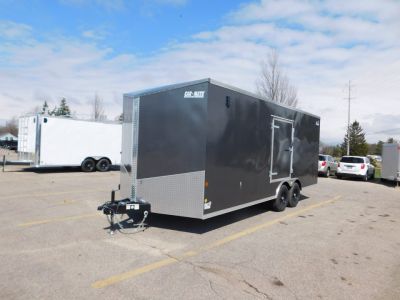
Choosing between an open deck and a box
Once you have decided that a car is going on a trailer, the only real fork in the road is whether that trailer has walls. Everything else, brand included, follows from that answer.
What 9,990 pounds actually buys you
Nearly every car hauler is rated just under ten thousand pounds, because crossing that line pulls the trailer into registration and licensing territory most private owners would rather avoid. What that number does not tell you is your payload. An open steel deck might weigh two and a half thousand pounds empty, leaving you around seven thousand for the car. A twenty eight foot enclosed steel trailer can weigh more than twice that empty, which quietly halves what you can put inside. Same sticker, very different trailer.
Enclosed costs you weight before you load anything
Walls, a roof, a ramp door and the framing to hold them up are heavy. That weight comes straight off your payload and it shows up again as wind resistance, worse fuel economy and a trailer that notices crosswinds on US-31. In exchange you get the car out of the weather, out of sight, and a lockable space you can leave loaded. If you are hauling one car occasionally, open is the easier life. If the trailer is also your storage and your workshop, the box wins.
Twenty, twenty four and twenty eight feet
Twenty feet handles the majority of cars and is the easiest to store and reverse. Twenty four gives you room for a long wheelbase pickup or a car plus a tool chest and a spare set of wheels. Twenty eight is a different scale of ownership: it swallows a car and a workshop, but it needs somewhere to live, a truck that is happy with the length and a driver who has thought about turning radius before the first trip.
Steel and aluminum, and what the lakeshore does to both
We are a few miles from Lake Michigan and the trailers here spend winters in salt and damp air. A steel trailer handles that fine if the coating is good and you rinse the underside, and it is cheaper and easier to repair when something gets bent. An aluminum enclosed trailer costs more and is lighter, which gives some of your payload back, and the structure will not rust. Neither choice is wrong. The aluminum one is easier to ignore for ten years.
The fittings that decide whether you like the trailer
A side or escape door on an enclosed hauler is not a luxury, because without one you climb over the car to get out. Ask where the D-rings sit and whether they are in the floor or on the walls. If you buy or recover cars that do not run, plan the winch and its wiring into the purchase rather than adding it in a driveway later. These are small line items at order time and awkward retrofits afterward.
Car hauler questions
Open if you haul occasionally, want the lowest cost and the easiest loading, and can live with the car being in the weather. Enclosed if the trailer doubles as secure storage or a workshop, or if the vehicle should not be seen or rained on. Enclosed costs you payload and fuel.
Staying just under ten thousand pounds gross keeps the trailer clear of several registration and licensing thresholds. It does not tell you your payload, because the empty weight varies enormously between an open steel deck and a long enclosed box.
Twenty feet suits most cars and is the easiest to store and back up. Twenty four adds room for a long pickup or a car plus equipment. Twenty eight is for people who want a rolling workshop and have somewhere to keep it.
Near the lakeshore it often is. Aluminum does not rust, and the weight it saves comes back as payload. Steel costs less to buy and is simpler to repair. Both work if you look after the underside.
In practice, yes. Without one you have to climb over the vehicle or open the entire rear of the trailer to reach anything. Specify it at order time rather than trying to add it later.