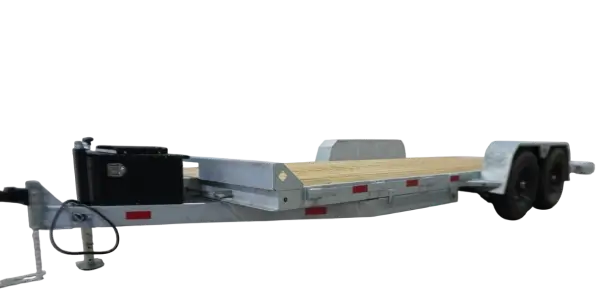
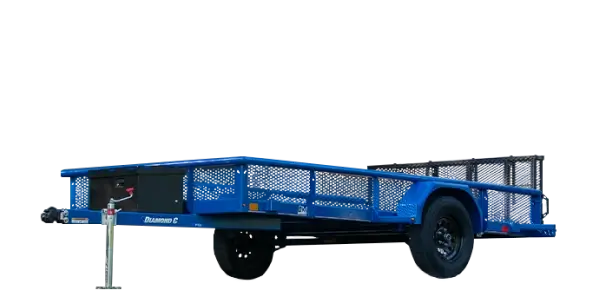
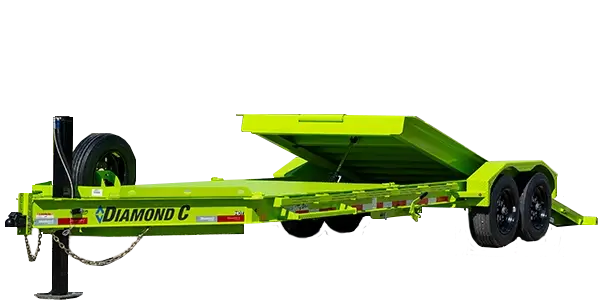
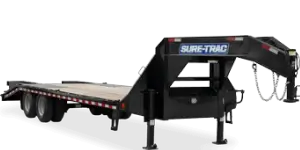











From a small utility deck to eighteen thousand pounds
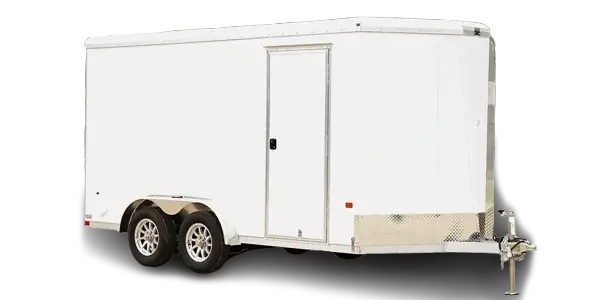
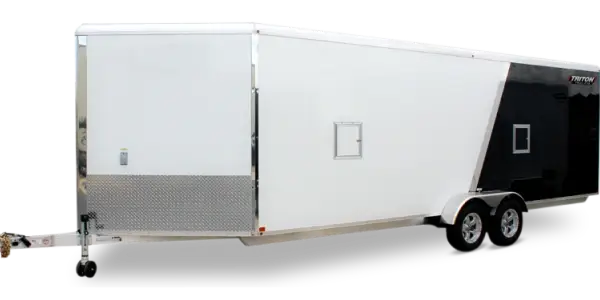
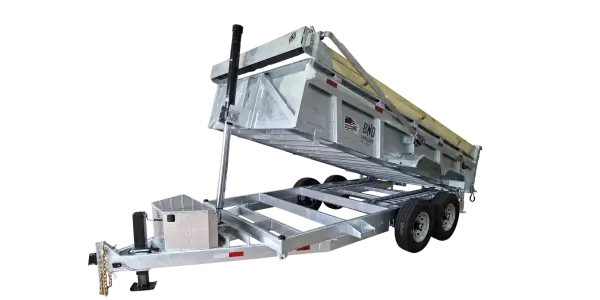
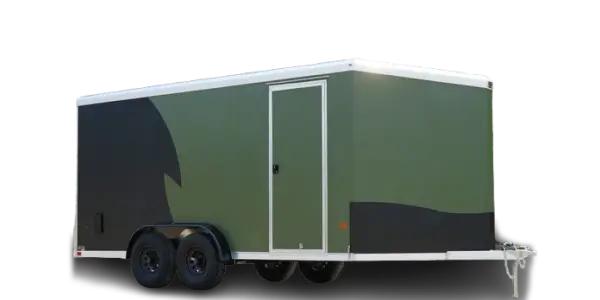
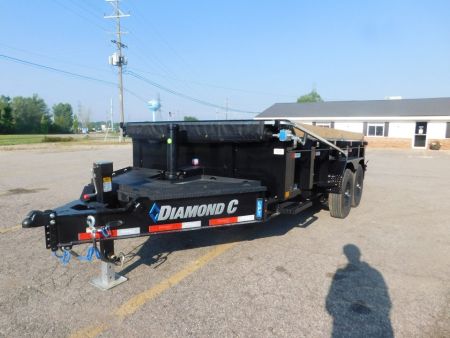
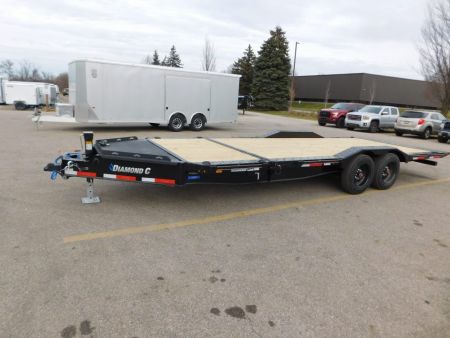
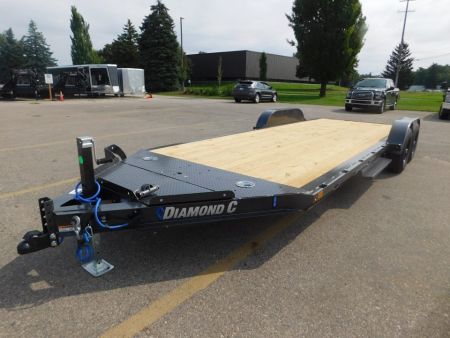
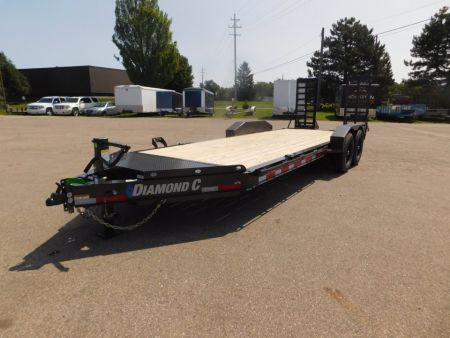
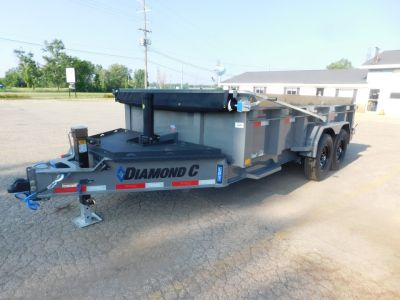
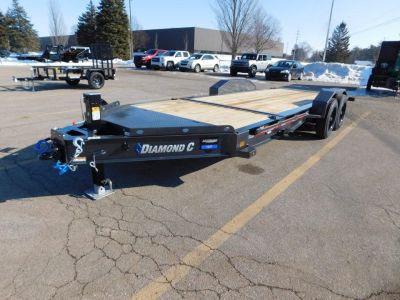
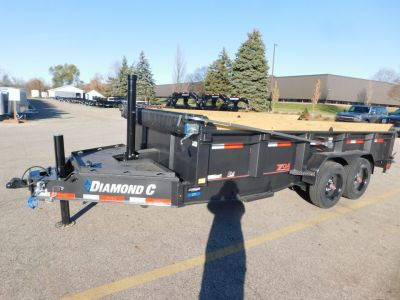
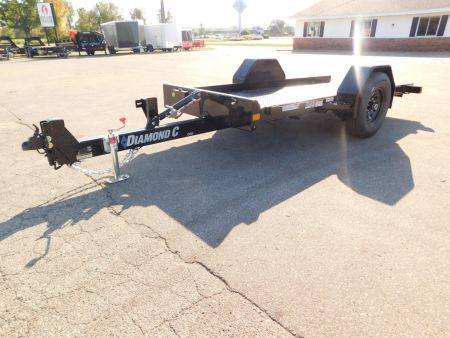
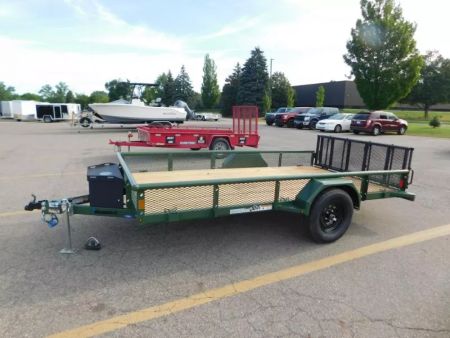
People associate Diamond C with heavy equipment trailers, and the heavy end is certainly where the brand made its name. What surprises buyers is how far down the range goes: our Holland stock spans small utility decks through dump bodies, car haulers and equipment trailers, with gross ratings from just under three thousand pounds up to eighteen thousand. That is a wide spread from one builder, and the whole current list is below.


Picking the right point in a very wide range
When one manufacturer covers everything from a light utility trailer to a machine hauler, the temptation is to buy on brand and sort out the size afterward. Work the other way round.
Buy for the machine, and then for the next one
Start from the weight of what you are loading, with attachments and fuel, and add margin. The mistake that costs money is buying exactly enough trailer for the machine you own today and then replacing the trailer eighteen months later when you upgrade the machine. Equipment gets heavier over time and trailers do not. A step up in rating at purchase is far cheaper than a second trailer.
Deck height is a permanent decision
Almost everything on a trailer can be changed later. Deck height cannot. It is set by the frame, the axle and the tire size, and it determines your loading angle for the life of the trailer. Low profile decks exist specifically to solve this, and they are worth asking about if you load anything with limited ground clearance. Look at the trailer next to the machine before you buy it, not after.
Ramps are heavier than they look
A set of ramps rated for a skid steer is not something you casually lift, and where they store matters as much as what they are rated for. Slide-unders keep them out of the way and off your deck. Flip-overs are quicker to deploy. Hydraulic tails remove the lifting entirely and add weight and cost. Try lifting the ramps on any trailer you are considering, in the yard, before you sign anything.
What changes as you climb the ratings
Past roughly seven thousand pounds you are into brakes on both axles and heavier couplers as a matter of course. Past fourteen thousand the axles, the frame and the tire specification all step up again, and so does what the tow vehicle needs to be. The jump in sticker price between rating classes reflects real engineering rather than a badge, which is worth remembering when two trailers of similar length are priced differently.
Specify it once, properly
Spare and carrier, toolbox, upgraded lighting, ramp arrangement, axle package and deck configuration all cost a fraction at build compared with sourcing them afterward, and deck height cannot be retrofitted at all. Tell us the machine, how you load it and where it is going to live, and we will tell you which options genuinely matter for that and which are just line items.
Common Diamond C questions
Start from the loaded weight of your machine including attachments and fuel, then add margin rather than buying to the exact number. Equipment tends to get heavier over time, and stepping up a rating at purchase is much cheaper than buying a second trailer later.
No. Deck height is set by the frame, axles and tires and stays with the trailer for life. If you load anything with low ground clearance, look at low profile decks before you buy rather than planning to fix it afterward.
Slide-unders store out of the way, flip-overs deploy fastest, and hydraulic tails remove the lifting at the cost of weight and money. Lift the ramps on any trailer you are considering before you decide, because rated ramps are heavy.
Brakes on both axles, heavier couplers, a stepped up frame, axle and tire specification, and a different expectation of the tow vehicle. The price gap between rating classes reflects real engineering rather than badging.
No. The range runs from small utility decks up through dump bodies, car haulers and equipment trailers, with ratings from under three thousand pounds to eighteen thousand. Our Holland stock usually covers a good span of that.