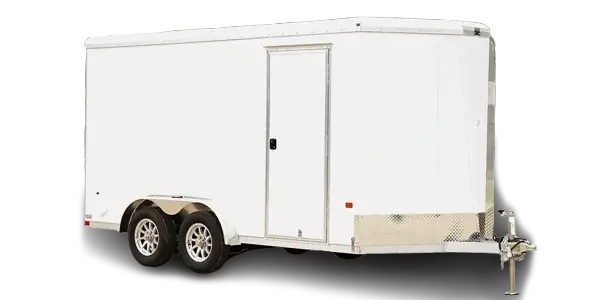
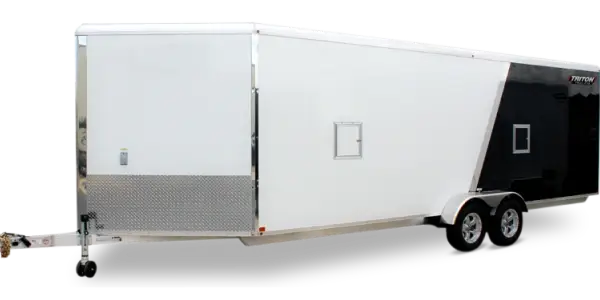
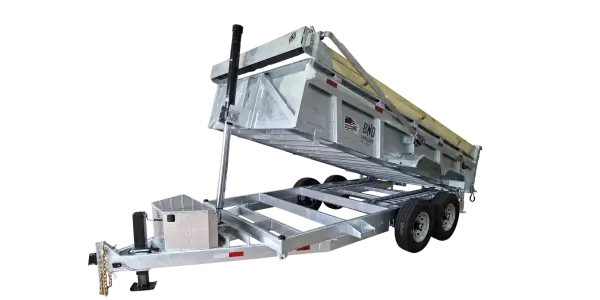
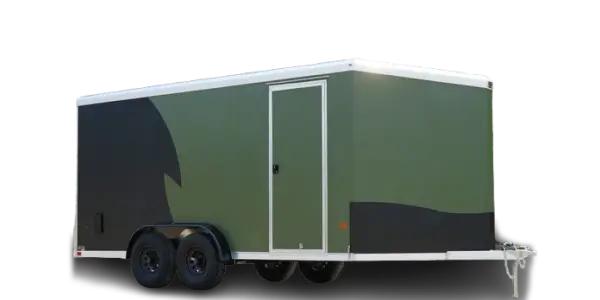
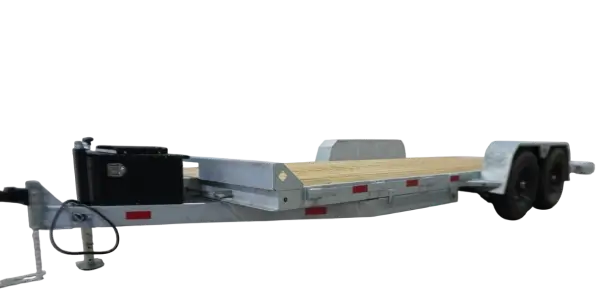
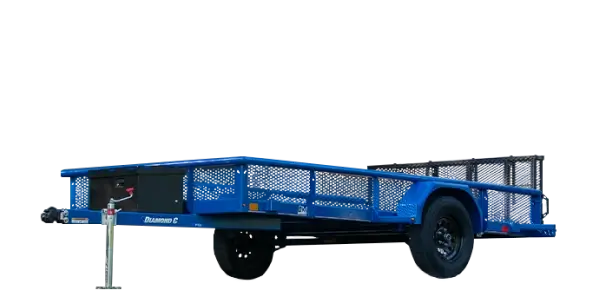
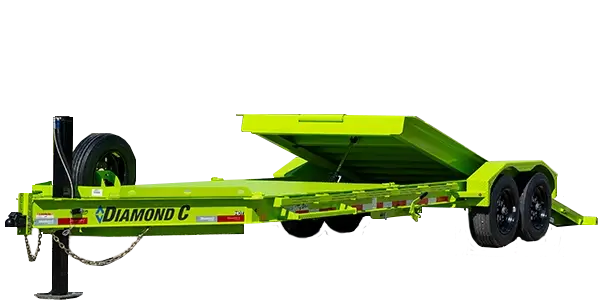











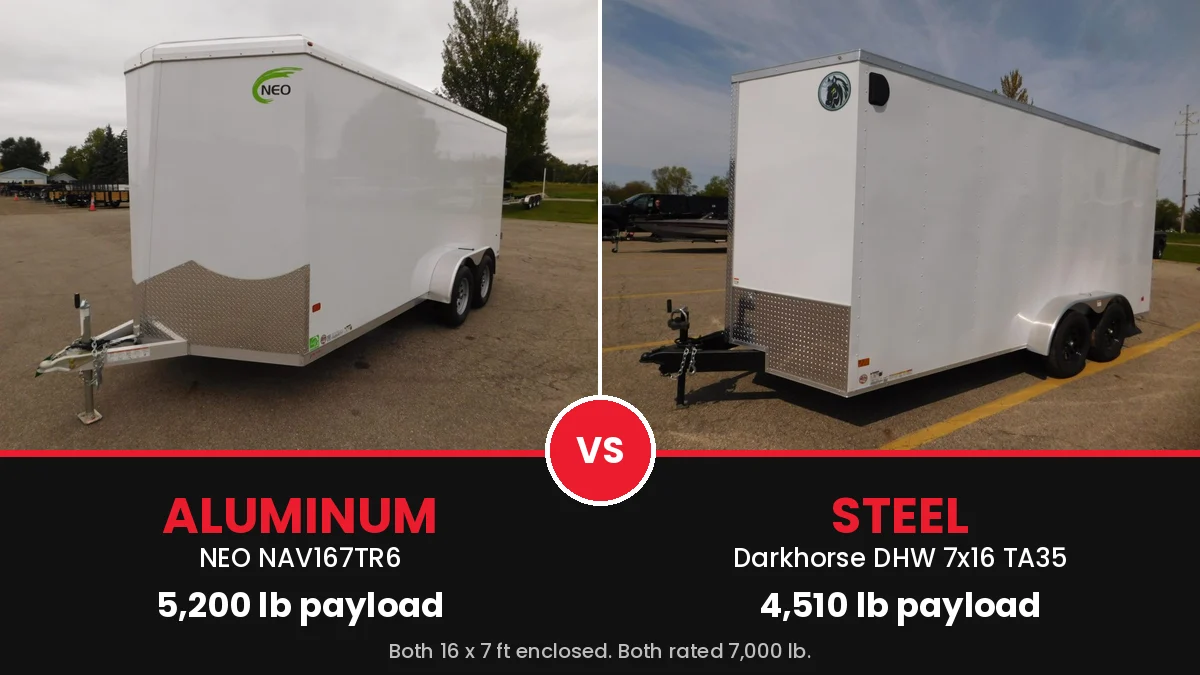
Put a NEO next to a Darkhorse and they look like the same trailer. Both sixteen feet. Both seven feet wide. Both rated to seven thousand pounds. One is aluminum, one is steel, and the difference between them is 690 pounds you either carry or don’t.
That is the whole decision, and almost nobody makes it on purpose.
The same trailer, 690 pounds apart
| NEO NAV167TR6 | Darkhorse DHW 7x16 TA35 | |
|---|---|---|
| Material | Aluminum | Steel |
| Floor length | 16 ft | 16 ft |
| Width | 7 ft | 7 ft |
| GVWR | 7,000 lbs | 7,000 lbs |
| Empty weight | 1,800 lbs | 2,490 lbs |
| Payload | 5,200 lbs | 4,510 lbs |
Identical footprint, identical rating. The steel trailer spends 690 pounds of its own rating carrying itself, and that comes straight off what you can put inside.
The Car Mate CM716CC-HD, also steel and also sixteen feet on a seven thousand pound rating, lands in the same place as the Darkhorse, at a little over 4,500 pounds of payload. So this is not one brand being heavy. It is what steel weighs.
What those 690 pounds actually buy you
Three things, and only one of them is about the trailer.
Payload, if you ever get near the limit. Most people never do. A landscape crew’s mowers, a motorcycle or two, a house move. None of that is close to four and a half thousand pounds. If you load pavers, tile, firewood, tools and a generator, or anything dense, the aluminum trailer gives you another 690 pounds before you reach the rating.
Tow vehicle headroom. Loaded weight is what your truck feels, not the trailer’s rating. Starting 690 pounds lighter means a half-ton that was borderline with a steel sixteen-footer has more margin with the aluminum one carrying the same load.
Fuel, slowly. Not dramatic on any single trip, but a trailer you tow weekly for ten years is 690 pounds you paid to move several thousand times.
Salt is the lakeshore’s argument for aluminum
This is where living on the west side of the state actually changes the answer.
Aluminum does not rust. It oxidizes, and that oxide layer is what protects it: a dull gray film rather than the flaking orange that eats a steel frame from the inside of the tube outward. On a trailer that spends January behind a truck on US-31 and February parked outside, that is not a cosmetic difference.
Steel holds up well too. A steel trailer that gets rinsed underneath after salt season, kept sealed where water can sit, and touched up where stone chips take the coating off will outlast most owners’ interest in it. The question is whether you will actually do that every year.
Either way, the parts that rust first are rarely the walls. It is the frame underneath, the fasteners, the wiring grounds and the brake hardware, which is true of an aluminum trailer too, because its running gear is still steel. If you take one thing from this, make it this: rinse underneath, not just the sides.
Where steel wins
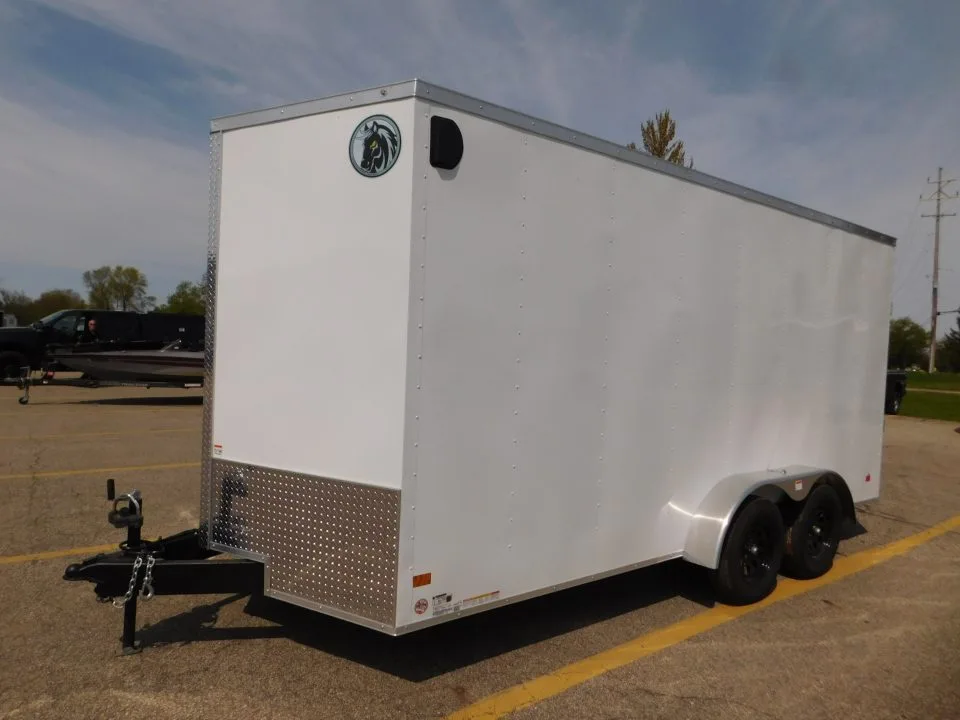
Steel is the lower-cost build, and for a lot of buyers that settles it before anything else does.
It also takes abuse differently. Steel dents and you can pull it, weld it, and paint over the repair in an afternoon with tools any shop has. Aluminum repairs are more specialized and fewer shops take them on. If the trailer is going to get backed into loading docks and scraped by forklifts, steel is often the more practical thing to own.
And a steel trailer that is never loaded near its limit does not care that it is heavier. If you are hauling a lawn crew’s gear in a six-by-twelve and never approaching the rating, the 690 pounds is an argument about nothing.
Which one, for which job
Go aluminum if you load heavy or dense, if you tow with a half-ton, if the trailer lives outside through Michigan winters, or if you intend to keep it a long time.
Go steel if you load light and bulky, if the trailer will take knocks in daily commercial use, if a local shop doing quick repairs matters to you, or if budget is the deciding factor.
See both on the lot in Zeeland
We carry the aluminum and the steel side by side, which is the only honest way to judge 690 pounds. Pick up the tongue of each:
- Cargo and enclosed trailers in Zeeland
- NEO aluminum trailers
- Darkhorse Cargo
- Car Mate trailers, and why buyers drive here for them
If the size you want is not on the lot, tell us what you are after and we will watch for it or quote the build. An email reaches us with the spec written down, which beats a voicemail. Our service department works on both materials, including trailers bought elsewhere.
Enclosed trailer questions
How much lighter is an aluminum enclosed trailer than a steel one?
Take two trailers at the same size and rating (the NEO NAV167TR6 and the Darkhorse DHW 7x16 TA35, both sixteen feet by seven on a 7,000 pound GVWR) and the aluminum one is 1,800 pounds empty against 2,490. That is 690 pounds, and it becomes 690 pounds of extra payload because the rating is the same.
Does an aluminum trailer rust?
The aluminum itself does not. It forms a gray oxide layer that protects what is underneath rather than flaking away the way rust does. But the running gear (axles, springs, brake hardware, fasteners and wiring grounds) is still steel on an aluminum trailer, so the underside still needs rinsing after salt season.
Which lasts longer on the lakeshore, aluminum or steel?
Aluminum has the easier time of it near the lake, because the thing that kills trailers here is road salt and damp. A well-maintained steel trailer can last just as long. The real variable is whether it gets rinsed underneath and kept sealed, not which metal it started as.
Is aluminum harder to repair?
Yes, and it is worth weighing. Steel dents can be pulled, welded and painted by most shops. Aluminum repair is more specialized. If the trailer is going to live a rough commercial life, that tips toward steel.
Do you service aluminum trailers?
Yes. Our service department in Zeeland works on both, any make or model, including trailers bought somewhere else: bearings, brakes, suspension, wiring, jacks, couplers and tires.
Want to compare them in person? Both sit side by side on the lot in Zeeland.